Compare & Combine Diving Phuket With Similan Islands Liveaboard
 Diving Phuket can be done all year round. In fact, a few Similan Island liveaboard boats spend the low season exploring the excellent dive sites south & east of Phuket. This is possible due to these areas being sheltered from the monsoon winds. This page explains diving Phuket year round, as well as Similan liveaboard safaris which include Phuket dive sites.
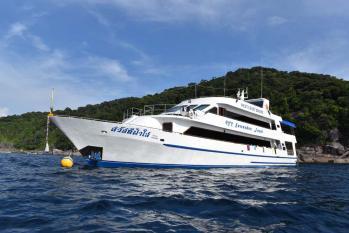 Many of our Similian liveaboard guests are joining their first ever diving cruise. And even for those who have been before, no two trips are the same. To ensure that you fully enjoy your trip, it’s best to be prepared. To be prepared it’s important to know what you need to bring & what to expect. It’s also important to know what not to bring, such as things you won’t need or that are provided or included.
 With so many boats and trips available, and offered by different agents, it often doesn’t appear easy to select the perfect Similan Islands live aboard cruise in Thailand. How to choose the best Similan Islands live aboard trip depends on many factors, such as budget, schedule, dive destinations, boat & cabin size & facilities, and more. Choosing who to book with can also be complicated because everyone claims to offer the best price and service. This page explains more about how to make sure you get the best of everything.
 In all kinds of businesses, sometimes it’s good be big, and at other times being local is better. We enjoy the best of both. We are a large agent for Similan diving, offering the widest range of boats at the best prices, but we also benefit from the advantages of being a local business. Similan Diving Tours is based in Thailand, we regularly visit the boats, we know all the staff & we even go diving on the boats whose trips we sell. There is no reason to deal with a big, online liveaboard booking agent, who have many staff and no relationship with the Similan dive teams. Dealing with us gives you the best choice, best service and best prices, as well as free gifts.
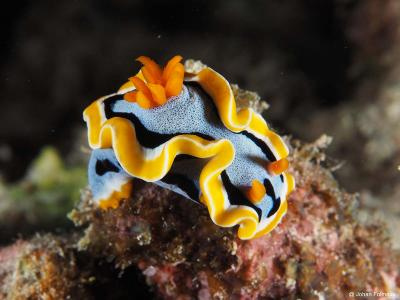 Nearly all recreational scuba divers go diving to see life in the sea, ocean, river, lake or cave. A few prefer to look at the topography, but even coral is ‘life,’ meaning that observing life is the main reason for most dives. Some divers like to look at schools of fish, or specific invertebrates or reptiles. The large species are always popular. There appears to be a distinct divide between divers over a simple & colourful creature that is very small and travels incredibly slowly. Divers usually love or hate the sea slug, or nudibranch.
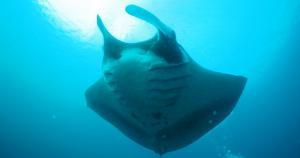 Scuba divers get in the water to see the marine life. Some like small fish and invertebrates while others like big fish, sharks & rays. The Manta Ray is many scuba divers’ favourite animal usually because it’s quite rare, very large, clever, curious, friendly and even playful. Nearly every Manta Ray experience is one to remember.
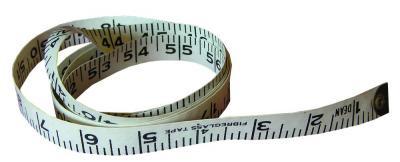 All but one item of a standard set of scuba diving equipment comes in various sizes. Only the ‘regs’ are ‘one size for all.’ Everything else from the mask to the fins needs to be chosen to fit the diver properly. The importance of why scuba diving equipment should fit the diver properly is the comfort and safety of the individual underwater, at the surface and even on the boat. Also, the enjoyment and potential length of the dive will be increased if the equipment fits well.
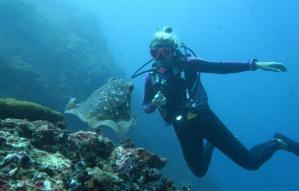 To ‘Do you PADI’ is a term often used to talk about learning to scuba dive. In truth, there are many organisations, but PADI is the most well-known. There are also lots of places around the world to learn to scuba dive, with Thailand being among the most popular. Learning to scuba dive at The Similan Islands Thailand has recently (October 2017) become more difficult due to the local authorities introducing new rules and procedures. In particular, Discover Scuba Diving introduction dives. And now from October 2018 it's no longer possible.
 Different cultures all around the world have different expectations of others. This is especially noticeable when international tourists are paying for a product or service. Even when the price that they pay is less than in their home country, they still sometimes expect the same service and quality that they’re used to. The advantages of diving with well-organised liveaboards is an example. Many of our liveaboard scuba diving trips are run by locals, and these locals may have a different idea or what is ‘organised’ and what may be ‘flexible.’ However, even though many of our guests are Westerners who expect the best organisation, it is important to know that all of our guests are people, individuals who have names and needs. Therefore, a more personal approach is sometimes necessary and always appreciated.
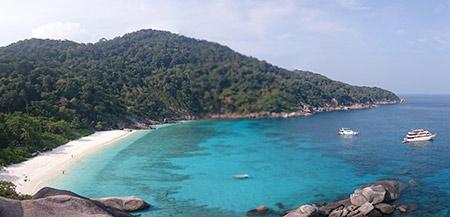 One inescapable cost for all visitors to Thailand’s national parks is the entrance fee. This also applies to national marine parks, which are protected areas around Thailand’s coastline, usually with uninhabited islands. National park fees for scuba diving at The Similan Islands need to be paid by every visitor, even if you’re not diving. The entrance fee is 500 THB/person and there’s an additional 200 THB per day.